Why Is Ordering Matcha With Water So Complicated in the UK?
The Pause
There’s always a pause.
“Just with water?”
Yes. Just with water.
Because matcha is tea.
And historically, that’s exactly how it was meant to be drunk.
The Matcha I Fell in Love With
In Japan, matcha arrives quietly.
A small bowl.
Vivid green.
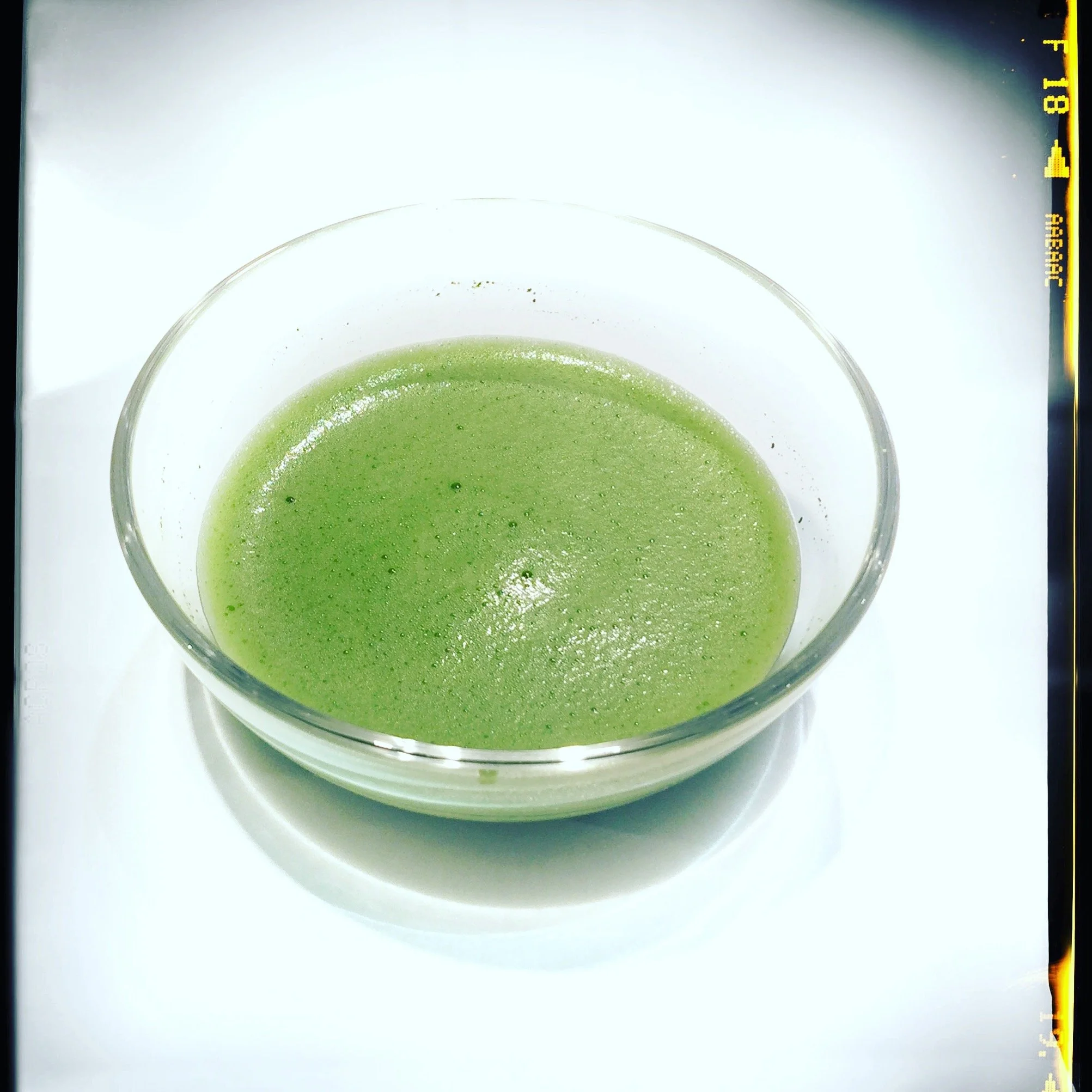
Whisked with hot water until soft foam forms on the surface.
No milk. No sugar. No performance.
Just finely ground green tea leaves and water.
Matcha has been part of Japanese tea culture for centuries. The leaves are shade-grown before harvest, which increases chlorophyll and L-theanine — the compound responsible for that calm, focused energy people often talk about. Because you consume the whole leaf in powdered form, you take in higher concentrations of antioxidants compared to regular green tea.
But beyond the science, it simply tastes different.
Slightly bitter.
Creamy without dairy.
Deeply umami.
Clean.
It feels intentional.
The Origin We Quietly Forgot
Matcha dates back to the 12th century, when powdered tea was brought from China to Japan by Buddhist monks. In Japan, it evolved into something deeper than a drink.
It became ritual.
The preparation mattered.
The atmosphere mattered.
The stillness mattered.
It wasn’t about flavour trends. It was about presence.
And that edge — that slight bitterness — was always part of it.
Matcha was never meant to be sweet.
When Tea Becomes Dessert
In the UK, matcha rarely exists on its own.
It’s almost always a latte. Sweeter. Softer. Safer.
Matcha cheesecake.
Matcha protein shakes.
Matcha with oat foam and syrup.
And I understand why.
To make something popular, it has to go viral. It has to photograph well. It has to be easy to like.
Milk makes it accessible.
But accessibility often comes at the cost of identity.
Somewhere along the way, the original version became the unusual one.
That’s what feels strange.
The Moment That Stayed With Me
I once went to a pop-up at Muji where they served ceremonial green tea properly.
No distractions.
No overloaded menu.
No performance.
The way they prepared it.
The atmosphere they created.
The quiet respect around it.
Matcha was the star of the show.
Not an accessory.
Not a flavour.
Not a trend.
That moment stayed with me because it felt honest.
Where You Can Still Drink It Properly
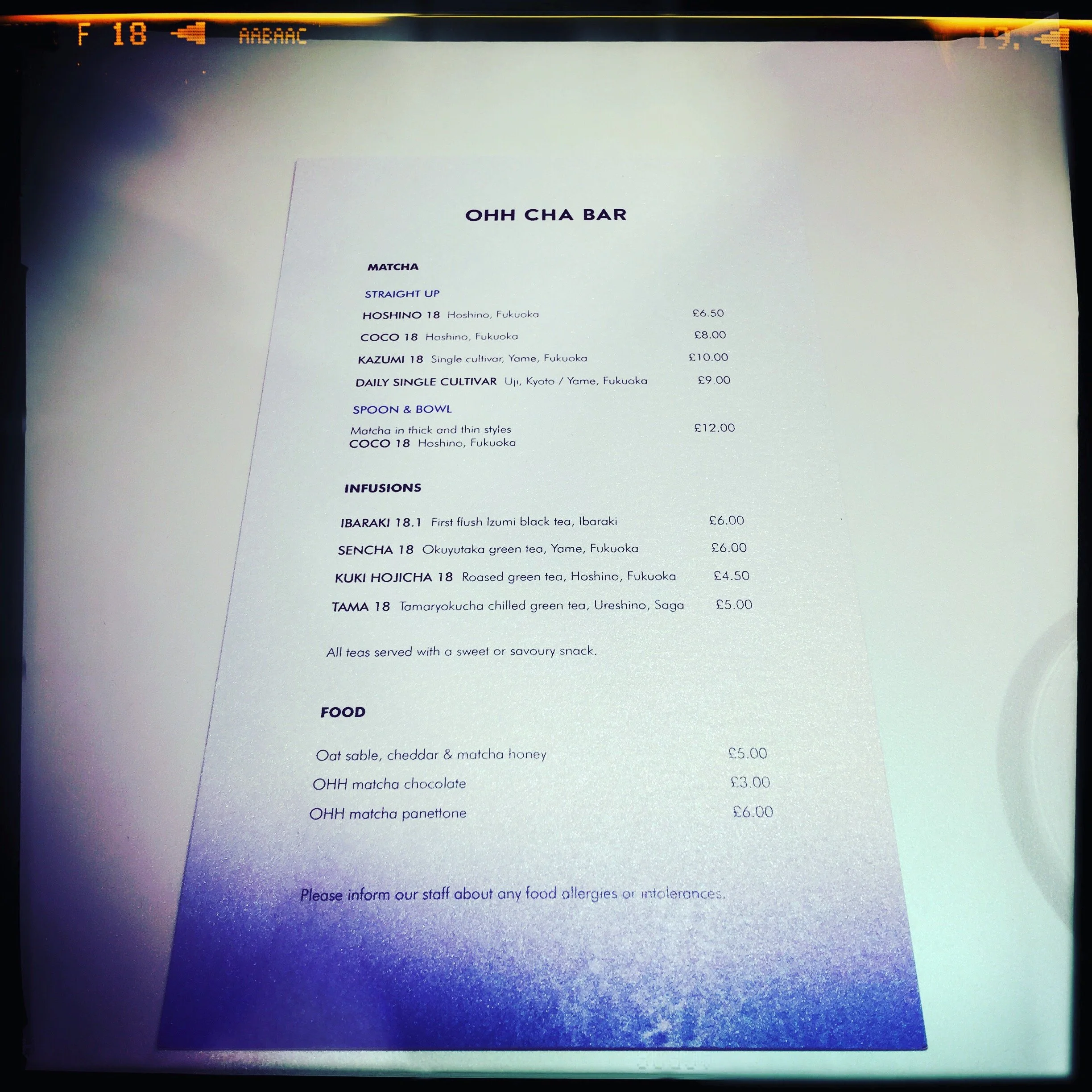
If you’re in Manchester Chinatown, Tsujiri (TSUJIRI 辻利茶舗) is one of the few places where you can order traditional O-Matcha — ceremonial grade matcha whisked with water, unsweetened.
Yes, they’re known for desserts and lattes. That’s what most people order. But you can ask for it properly — and they will serve it.
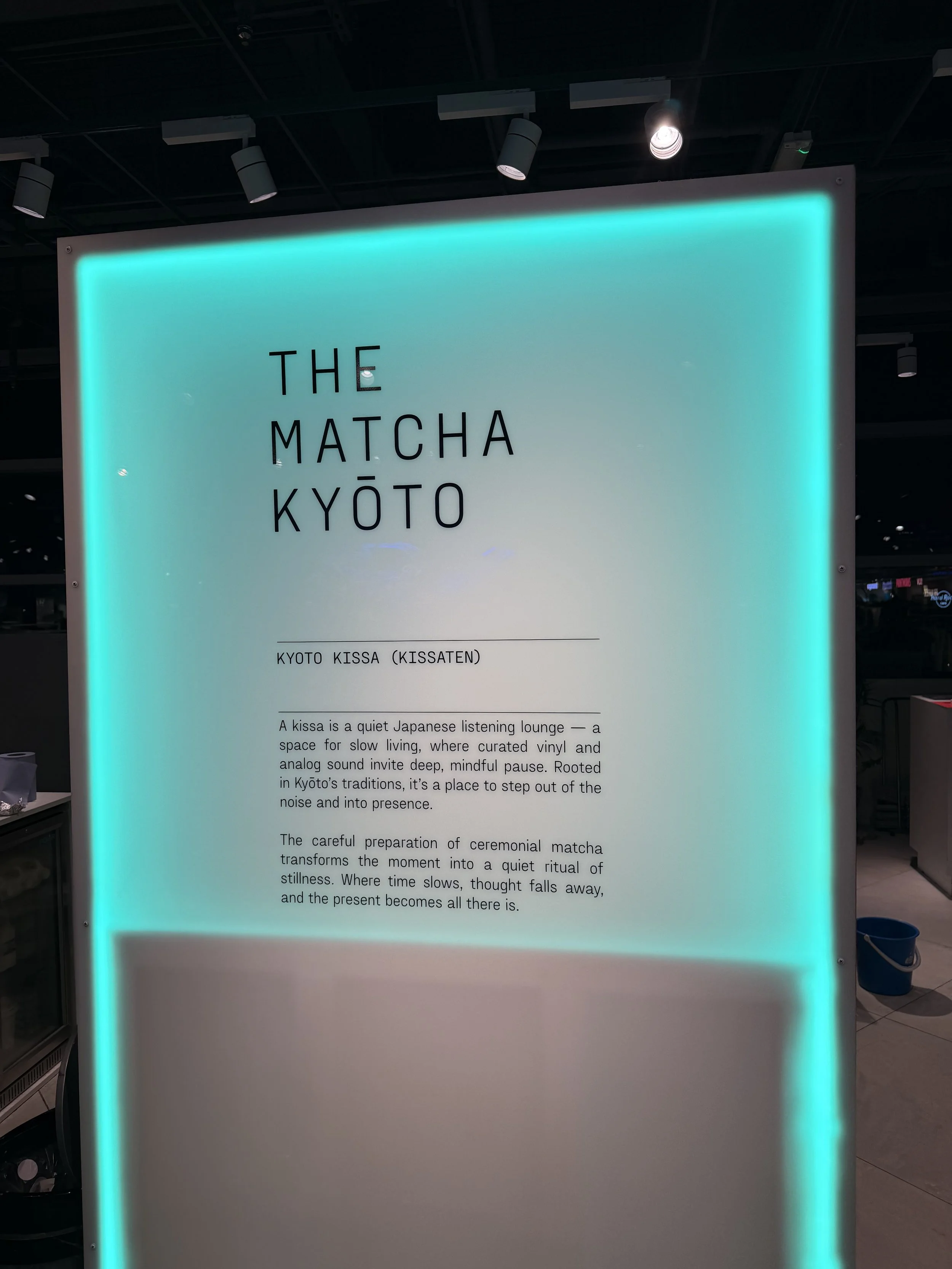
Kyoto Matcha is another place I go back to. They don’t clearly advertise “just matcha” on the menu. It’s not highlighted. But their tea is so good — vibrant, balanced, clean — that I risk asking every time.
Sometimes the best things aren’t written in bold.
Why It Matters
Matcha with water isn’t extreme.
It’s the default.
It has natural sweetness. Natural texture. Slight bitterness that forces you to pay attention.
It doesn’t need milk to be interesting.
Maybe now — when matcha is everywhere — is exactly the moment to take a step back.
To stop making it louder.
To make it better.
The Radical Choice
I still order it with water.
And I still get that look.
“Are you sure?”
Yes.
Because sometimes the most radical choice isn’t the new version.
It’s the original one.
🍵